
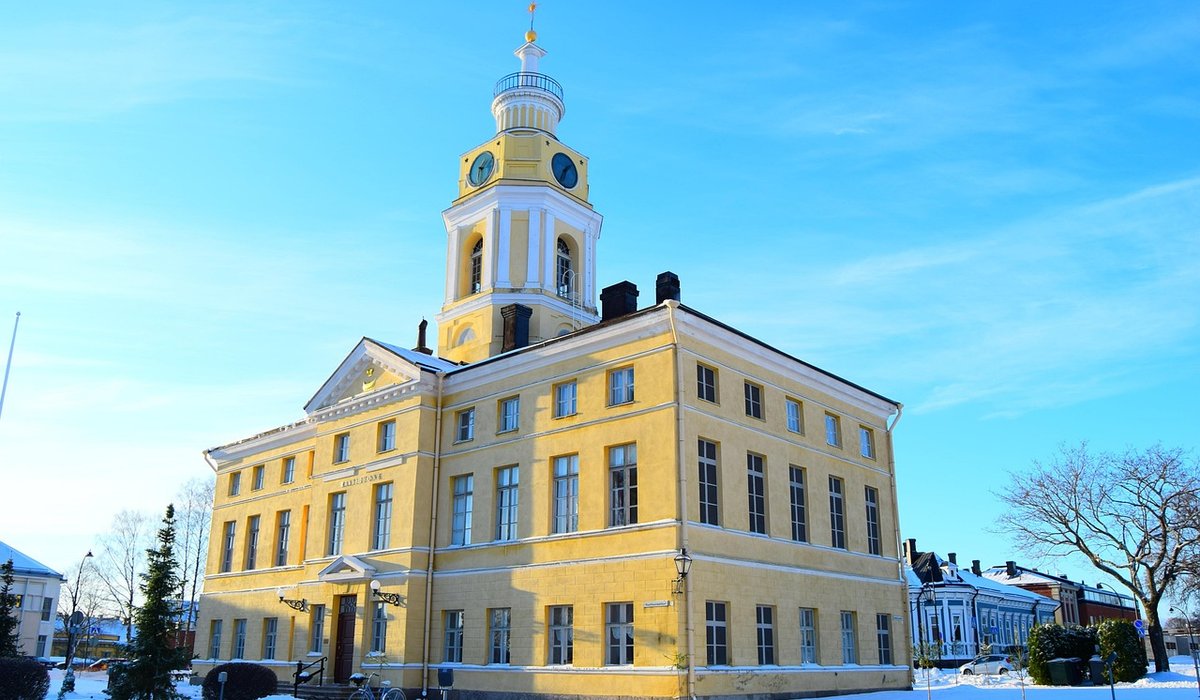
What to expect at your first parish meeting
First things first: what is a parish meeting?
If you've recently moved to a village, or you've lived here for years but never stepped inside the village hall for a meeting, you might be wondering what actually happens. In many rural parishes, the term "parish meeting" can mean two different things. It might be the annual parish meeting – a gathering of all local electors to talk about village life. Or it might be a regular meeting of your parish council. Both are open to the public, and both follow a similar pattern. You don't need to be a councillor to attend. You don't need to book. You just turn up.
Finding the date, time and place
Parish meetings are not secret affairs. By law, they must be publicised in advance. Look for a notice on the village noticeboard, usually near the church, the shop or the bus stop. Many parishes also have a simple website or a community page where the agenda is posted. If you're not sure, ask in the village shop or ring the parish clerk. The clerk's contact details are always on the notice. Meetings are often held in the village hall, the church room or the primary school. They usually start at 7pm or 7.30pm, and they rarely last more than two hours.
The agenda: your roadmap for the evening
Every parish meeting follows a set agenda. This is a list of items to be discussed, and it is published at least three clear days beforehand. You can ask the clerk for a copy, or pick one up at the meeting. A typical agenda will include:
- Apologies for absence – who can't make it.
- Minutes of the last meeting – are they accurate? Councillors vote to approve them.
- Matters arising – updates on previous decisions.
- Planning applications – the parish council is consulted on local planning matters.
- Finance and the precept – the parish's share of your council tax.
- Correspondence – letters and emails received.
- Reports – from the county councillor, district councillor, or village hall committee.
- Public question time – your moment to speak.
Don't be put off by the formal language. It's just a way of keeping things orderly.
Who's who around the table
When you walk in, you'll see a group of people sitting around a table. The chair leads the meeting and keeps everyone to the agenda. The vice-chair steps in if needed. The other parish councillors are your neighbours – people who have put themselves forward to help run village affairs. The clerk is not a councillor but a paid officer. They take the minutes, advise on legal matters and handle correspondence. You may also spot your district councillor and county councillor, who represent the village at higher levels of local government. They often give short reports.
Public question time: your chance to have a say
This is the part most first-timers care about. Usually, the chair will invite members of the public to speak either at the start or just before the end of the meeting. You can ask a question, raise a concern or make a brief statement. You don't have to give your name, though it helps. You can't join in the debate or vote – that's for councillors only. Keep it short and to the point, ideally under three minutes. If you want a specific decision, write to the clerk beforehand so it can be added to the agenda. And don't worry about nerves: everyone was new once, and most parish meetings are friendly, low-key affairs.
What actually gets decided
Parish meetings deal with the things that shape daily life in a village. You might hear about:
- Planning applications for a new barn, extension or solar farm.
- Footpath maintenance, stiles and gates.
- Grass cutting, verges and play areas.
- Grants for the village hall, allotments or a new defibrillator.
- Speeding, traffic calming and bus shelters.
- The annual precept – the small part of your council tax that funds parish services.
Decisions are made by a majority vote of the councillors present. The chair has a casting vote if it's tied. You won't always agree with the outcome, but you'll see how it was reached.
After the meeting: minutes and next steps
Once the meeting ends, the clerk will write up the minutes. These are draft until approved at the next meeting, but you can usually read them on the noticeboard or the parish website. If something was agreed that affects you, keep an eye out for updates. And if you enjoyed it – or you have ideas you'd like to pursue – consider standing for the parish council at the next election. You can also join a working group or help with a village event. The annual parish meeting, often held in spring, is a great place to raise bigger topics. In short, your first parish meeting is not a test. It's a chance to listen, learn and, if you wish, speak up. Your village is run by people like you. Why not be one of them?
tag: Local News

Daniel Griffiths Author
Use pots, raised beds and vertical planters to produce herbs, salads and root crops even with limited outdoor room.
YOU MAY ALSO LIKE

Growing vegetables in small garden spaces
Jul 28
10Volunteers can clear ivy, record inscriptions and protect wildlife habitats while respecting the solemn purpose of these spaces.
read more
Caring for historic churchyards and memorials
Jul 22
10Choose a date, borrow litter grabbers and gloves, and sort collected rubbish for recycling where local facilities allow.
read moreLocal News
-

ERRIC CATONA
Pick a welcoming venue, agree a monthly theme and keep discussion relaxed so new members feel comfortable joining.
May 19, 2016 at 5.12 pm
Reply
ERRIC CATONA
Check on anyone living alone, offer to fetch shopping and share clear advice about heating and staying warm safely.
May 19, 2016 at 5.12 pm
Reply -
ERRIC CATONA
Sign up to council warning systems, keep contact details current and agree a household plan for floods or power cuts.
May 19, 2016 at 5.12 pm
Reply
Village Life
Your email address will not be published.