
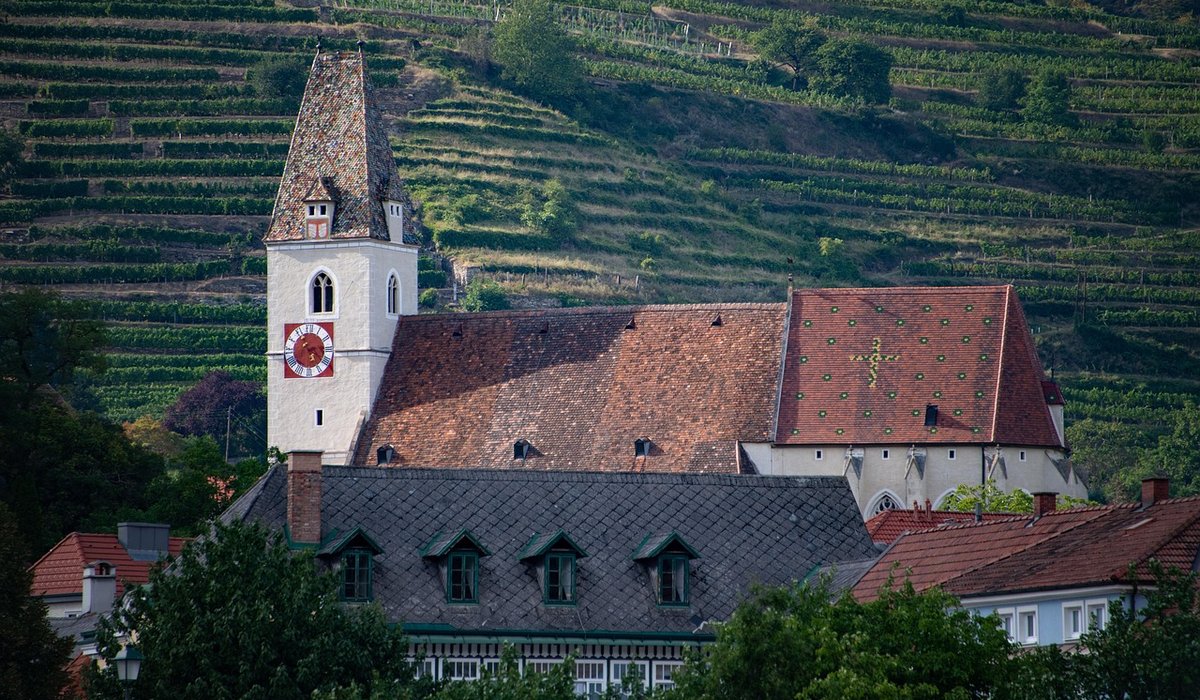
Caring for historic churchyards and memorials
A living heritage on our doorstep
Every British village has its quiet corner: the churchyard, with its leaning stones, ancient yews and undisturbed wild corners. These spaces are not just relics. They are places of worship, memory and refuge for wildlife. Caring for them is a privilege and a practical task that any community can share. Whether you are a churchwarden, a keen gardener or simply someone who walks past the lychgate each morning, you can help. The work is gentle, seasonal and deeply rewarding.
Getting the basics right
Before you lift a pair of secateurs, speak to the incumbent, churchwarden or PCC. They will know about any faculty rules, insurance requirements and boundaries. Never start work without permission. Respect the solemn purpose of the space: no loud music, no picnics on graves, no moving memorials without guidance. Wear gloves, sturdy boots and high-visibility clothing if working near roads. Work in pairs, especially when using ladders or strimmers. A simple risk assessment – noting trip hazards, unstable stones and hidden holes – takes ten minutes and prevents accidents.
Timing matters. The best months for clearing vegetation are late winter and early spring, before nesting birds arrive. Avoid working in wet conditions when soil compacts easily. Leave a margin of at least a foot around each stone so you do not damage roots or inscriptions.
Tackling ivy and overgrowth
Ivy is the most common challenge. It can smother memorials and hide structural problems. But it also provides roosting spots for bats and nesting sites for wrens. The golden rule: do not pull ivy off a wall or stone. Instead, cut a section out of the main stems at the base, about a foot above ground. This kills the ivy without disturbing masonry. Leave the dead growth to fall away naturally over a year or two. For ground ivy, hand-pull small patches, but leave large mats that shelter invertebrates.
- Use bypass secateurs or loppers, not hedge trimmers, near stonework.
- Cut stems in a ring around the base – two cuts, a hand-width apart – then remove the section between.
- Never use weedkiller on or near memorials; it stains and corrodes.
- Bag up cuttings and compost them away from the site to avoid enriching the soil and encouraging nettles.
Brambles and sycamore seedlings need similar care. Dig them out by hand where possible. If you must use a strimmer, fit a guard and keep the line well away from stone edges – a single strike can chip an inscription forever.
Recording inscriptions and memorials
Recording is as important as clearing. Many inscriptions are fading, and a careful survey creates a permanent record for future generations. Work in raking light – early morning or late afternoon – when shadows reveal lettering. Use a soft brush (a pastry brush is ideal) to remove loose dirt. Never use wire brushes, acid or chalk. For photography, place a measure or a small card with the date in the frame. Take an overall shot, then a close-up of each face. Transcribe the text into a notebook or spreadsheet, noting the location (e.g. "north of the yew, row 3, stone 7").
If you find a memorial that is unstable, do not try to straighten it. Report it to the churchwarden. They can arrange for a professional conservator. Your role is to observe and record, not to repair.
Protecting wildlife habitats
Churchyards are often the last refuges for wildflowers, bats, slow-worms and lichens. Plan your work around their needs. Leave areas of long grass unmown until late July or August so orchids and knapweed can set seed. Check ivy and trees for bats before any cutting – if you see droppings or hear squeaking, stop and seek advice. Avoid disturbing stone walls and old trees where lichens and mosses grow. These are slow-growing and easily destroyed by scrubbing or chemicals.
- Create a log pile in a quiet corner for beetles and hedgehogs.
- Leave some nettles and thistles for butterflies such as the small tortoiseshell.
- Do not tidy away all dead leaves – they shelter overwintering insects.
- If you find a bird's nest, pause work until the chicks fledge.
Simple changes make a huge difference. A single unmown strip can support more species than a whole neat lawn.
Building a village team
No one expects you to do everything alone. Organise a monthly work morning, advertised on the parish noticeboard and in the village newsletter. Bring flasks of tea and biscuits – they matter more than you might think. Ask a local historian to train volunteers in recording. Ask a wildlife trust or county recorder to advise on habitats. Keep a simple log of tasks, dates and volunteers. This helps with insurance and shows funders that you are serious.
Rotate the work so no one gets exhausted. Celebrate small wins: a cleared path, a recorded stone, a new bench. And always remember why you are there. A churchyard is a place of grief and hope, of history and wildness. Care for it gently, and it will care for your village for generations.
tag: Environment

Thomas Pemberton Author
Choose a date, borrow litter grabbers and gloves, and sort collected rubbish for recycling where local facilities allow.
YOU MAY ALSO LIKE

How to organise a village litter pick
Jul 20
10Pick a welcoming venue, agree a monthly theme and keep discussion relaxed so new members feel comfortable joining.
read more
Starting a book club at the local pub
Jul 14
10Check on anyone living alone, offer to fetch shopping and share clear advice about heating and staying warm safely.
read moreLocal News
-

ERRIC CATONA
Sign up to council warning systems, keep contact details current and agree a household plan for floods or power cuts.
May 19, 2016 at 5.12 pm
Reply
ERRIC CATONA
Meet makers, learn about traditional skills and buy unique gifts while supporting small businesses in the surrounding area.
May 19, 2016 at 5.12 pm
Reply -
ERRIC CATONA
Check local rules, build a secure coop and provide daily feed and water to enjoy fresh eggs and natural pest control.
May 19, 2016 at 5.12 pm
Reply
Village Life
Your email address will not be published.